What Is Vedic Astrology? A Serious Beginner’s Guide to Jyotish

About the author
Emma Carter
Astrology & spiritual content
An astrologer and spiritual writer with over 5 years of experience exploring natal charts, lunar cycles, and relationship astrology. She writes with a focus on self-awareness, emotional insight, and helping readers understand astrology in a grounded, practical way.
- Published
- May 25, 2026
- Updated
- May 25, 2026
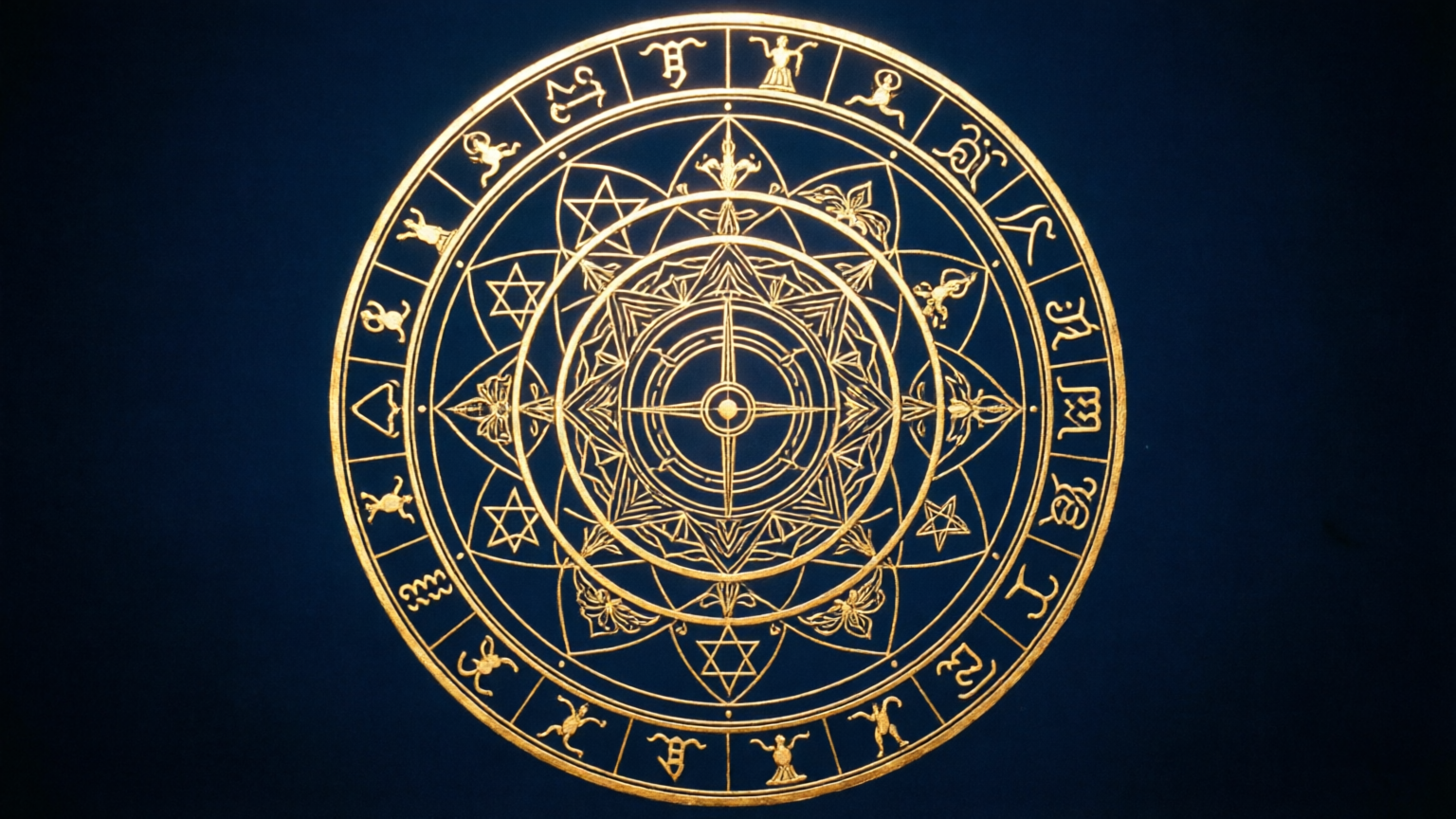
Vedic astrology, traditionally called Jyotish ("the science of light"), is a sidereal, time-based astrological system originating in ancient India. Unlike Western astrology, which primarily uses the tropical zodiac and focuses on psychological archetypes, Jyotish relies on fixed star positions, lunar mansions (Nakshatras), and planetary period systems (Dashas) to map life timing, karmic patterns, and practical decision windows. It is not deterministic fortune-telling — it is a diagnostic and probabilistic framework.
To use it responsibly, prioritize accurate birth data, learn the foundational architecture (Grahas, Bhavas, Nakshatras, Dasha), evaluate practitioners by transparency and case documentation, and treat remedies as supportive rather than guaranteed fixes.
What Vedic Astrology Actually Means
At its core, the question of what is Vedic astrology is a question about lineage, mathematics, and application. Jyotish is one of the six Vedangas (auxiliary disciplines of the Vedas), historically used to time rituals, agricultural cycles, and life milestones.
The architecture of a Vedic chart rests on five interlocking layers:
The Sidereal Zodiac: Jyotish measures planetary positions against fixed constellations, not the seasonal equinoxes. This requires an Ayanamsa (precession correction), with the Lahiri Ayanamsa being the most widely accepted in modern practice.
Grahas (Planetary Influences): Nine celestial bodies are tracked — Sun, Moon, Mars, Mercury, Jupiter, Venus, Saturn, Rahu (North Lunar Node), and Ketu (South Lunar Node).
Bhavas (Houses): The 12 houses represent life domains — self, wealth, siblings, home, creativity, health, partnerships, transformation, philosophy, career, gains, and losses.
Nakshatras (Lunar Mansions): The zodiac is divided into 27 segments of 13°20' each, each ruled by a specific star pattern and deity.
Dasha Systems (Planetary Periods): The most famous is Vimshottari Dasha, a 120-year cycle that assigns planetary rulership to specific life phases.
In professional practice, a Vedic chart is never read in isolation. It requires synthesizing static placements (natal chart), dynamic timing (Dasha), transits (Gochara), divisional charts (Vargas), and planetary strength (Shadbala).
Why People Search for It
Search intent clusters into four practical categories:
Predictive Timing & Life Planning: Dasha systems and transit analysis provide structured timing windows for career shifts, relationship milestones, or financial changes.
Compatibility & Relationship Mapping: Traditional Kundali Milan (Ashtakoota matching) and synastry analysis help navigate marriage and long-term partnerships.
Spiritual & Karmic Context: Many approach Jyotish for self-inquiry, past-life patterns, or understanding recurring life themes through Rahu/Ketu placements.
Commercial Investigation & Resource Vetting: A significant portion of searchers are comparing software, evaluating teachers, or distinguishing legitimate practitioners from commercial shortcuts.
Vedic astrology is a tool for navigation, not a replacement for professional medical, legal, or financial advice.
How to Evaluate Practitioners & Software
Methodological Transparency: A trustworthy practitioner will clearly state which Ayanamsa is used (Lahiri, Raman, KP, etc.), which Dasha system is primary, and how divisional charts are calculated.
Practitioner Credentials & Case Documentation: Look for documented case studies, clear ethical boundaries, continuous study lineage, and willingness to explain how they reached a conclusion.
Software Reliability: For self-study, use platforms that allow manual Ayanamsa selection, display Shadbala and Dasha timelines, and support divisional chart overlays.
Red Flags to Avoid
- Guaranteed predictions
- Fear-based upselling
- Over-reliance on Sun sign or single-planet readings
- Refusal to share calculation parameters
- Claims of "100% accuracy"
Vedic vs. Western Astrology
Neither system is inherently "more accurate." Western astrology excels at psychological depth and modern self-inquiry. Vedic astrology excels at timing, event mapping, and structured life navigation.
Key differences: Vedic uses the sidereal zodiac (fixed stars) while Western uses the tropical zodiac (seasonal). Vedic's primary tools are Dashas, Nakshatras, and divisional charts; Western's are transits, progressions, and aspects.
Where to Start
- Secure Accurate Birth Data: Exact time (to the minute), date, and location.
- Generate a Baseline Chart: Use a transparent calculator (Jagannatha Hora recommended).
- Learn the Foundational Triad: Grahas, Bhavas, Nakshatras.
- Study Dasha Mechanics: Understand Vimshottari Dasha sequences.
- Practice with Case Studies: Analyze anonymized charts with known life events.
- Seek Structured Mentorship: Avoid "quick certification" programs.
Primary Use Cases
Career & Financial Timing: Jupiter or Saturn periods correlate with career restructuring. Analysis focuses on 2nd (wealth), 10th (career), and 11th (gains) houses.
Relationship & Marriage: Ashtakoota matching assesses temperament and harmony. The Navamsha (D9) chart reveals relationship maturity.
Health & Longevity: 6th, 8th, and 12th house analysis for chronic conditions. Note: Jyotish is not a substitute for medical advice.
Spiritual & Karmic Patterns: Rahu/Ketu axis reveals past-life themes. Nakshatra deities shape psychological inclinations.
Common Beginner Mistakes
- Treating the Chart as Deterministic: Jyotish shows probabilities, not certainties.
- Ignoring Dasha Systems: Dasha is the timing engine of Jyotish.
- Confusing Sidereal and Tropical Signs: Your Vedic Sun sign is typically one sign earlier.
- Over-Indexing on the Sun Sign: The Ascendant (Lagna) and Moon sign carry heavier weight.
- Buying Remedies Without Chart Analysis: Remedies must be tailored to planetary placement.
- Skipping Divisional Charts: D9 for marriage, D10 for career — each refines predictions.
Frequently Asked Questions
Is Vedic astrology more accurate than Western? Accuracy depends on the question. Vedic excels at event timing; Western excels at psychological depth.
Do I need an exact birth time? Yes. A 4-minute error can shift the Ascendant and alter Dasha activation.
Can I learn Vedic without Sanskrit? Yes. Modern translations make Sanskrit unnecessary for foundational study.
How long does it take? Basic chart reading: 6–12 months. Professional synthesis: 5+ years.
Final Verdict
Vedic astrology is a sophisticated, mathematically grounded system for life timing, karmic pattern recognition, and practical decision mapping. It is not a replacement for professional advice, nor is it deterministic fortune-telling.
Treat Jyotish as a diagnostic lens, not a crystal ball. Respect its precision, acknowledge its limitations, and apply it ethically.
— Written by Ethan Miller (NLP Engineer). Published via Astra.